Most people know Wicken for the fen. In 1899 the National Trust bought two acres here for ten pounds, and Wicken Fen became the first nature reserve in its care. Sedge has been cut on it since at least 1414, and a wooden windpump of 1908, the last of its kind in the Fens, still keeps water in the reed beds. The village itself lies on a slightly raised ridge of boulder clay with fen below 10 metres all around, about five miles south of Ely.
Medieval houses that survived
Wicken was poor and out of the way for a long time, and one result is that several late medieval and early modern timber-framed houses are still standing. The Victoria County History describes one south of Pond Green with a 15th-century hall and an original jettied cross wing. The Maid’s Head pub is a 15th-century timber-framed hall house that was later cased in brick. Number 3 Cross Green is a cottage of the late 16th or early 17th century, timber-framed and rendered, with a steep roof that was once thatched and now carries corrugated iron.
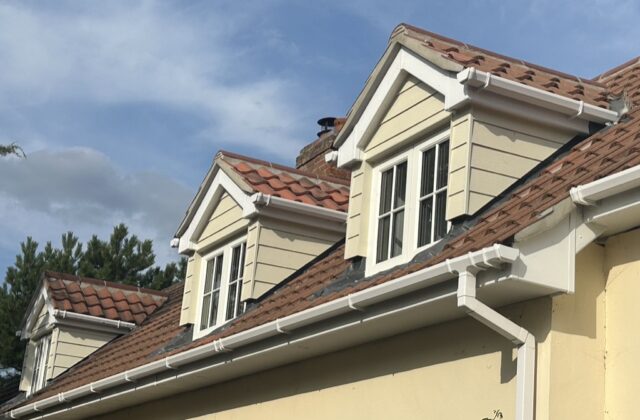
Brick casing, dormers and later roof coverings are typical of how these houses were updated over the centuries. Working on one means finding out what is underneath before planning changes, and doing the carpentry and refurbishment in a way that respects it.
The mill, the church and the conservation area
Wicken has 27 listed buildings. The windmill, a Grade II* twelve-sided smock mill, is described as the last of its type still working in England. The Church of St Laurence, mostly 14th century, is also Grade II*. On Cross Green, a medieval limestone cross that had been buried upside down was dug up and put back in 1973.
The old village has been a conservation area since April 1975, under East Cambridgeshire District Council. If you own a listed house, or one inside the boundary, raise your plans with the council’s planners at the outset; we will work to the consent you receive.
Twentieth-century Wicken
Council housing came to Wicken from the 1940s. A crescent of semi-detached council houses on the south side of North Street, begun around 1950, was replaced with new homes in 1983 and 1984. Today the parish, including the hamlet of Upware, has around 840 residents. Newer homes like these lend themselves to a rear extension, a kitchen refit or a garden room.
Working with A&F
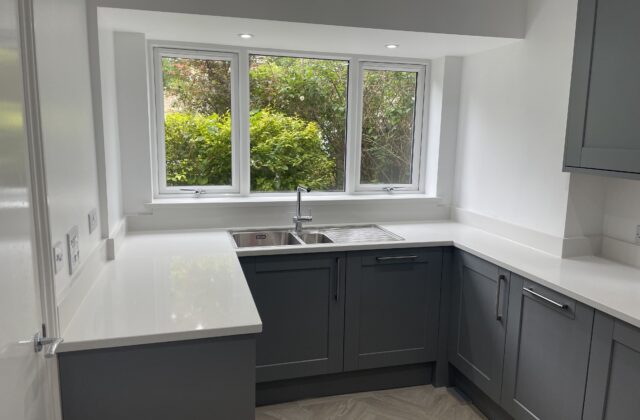
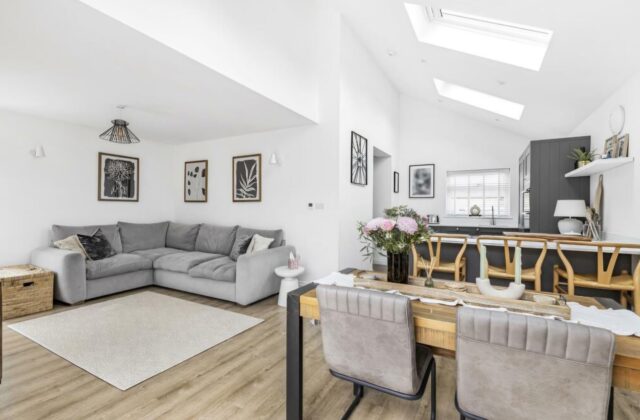
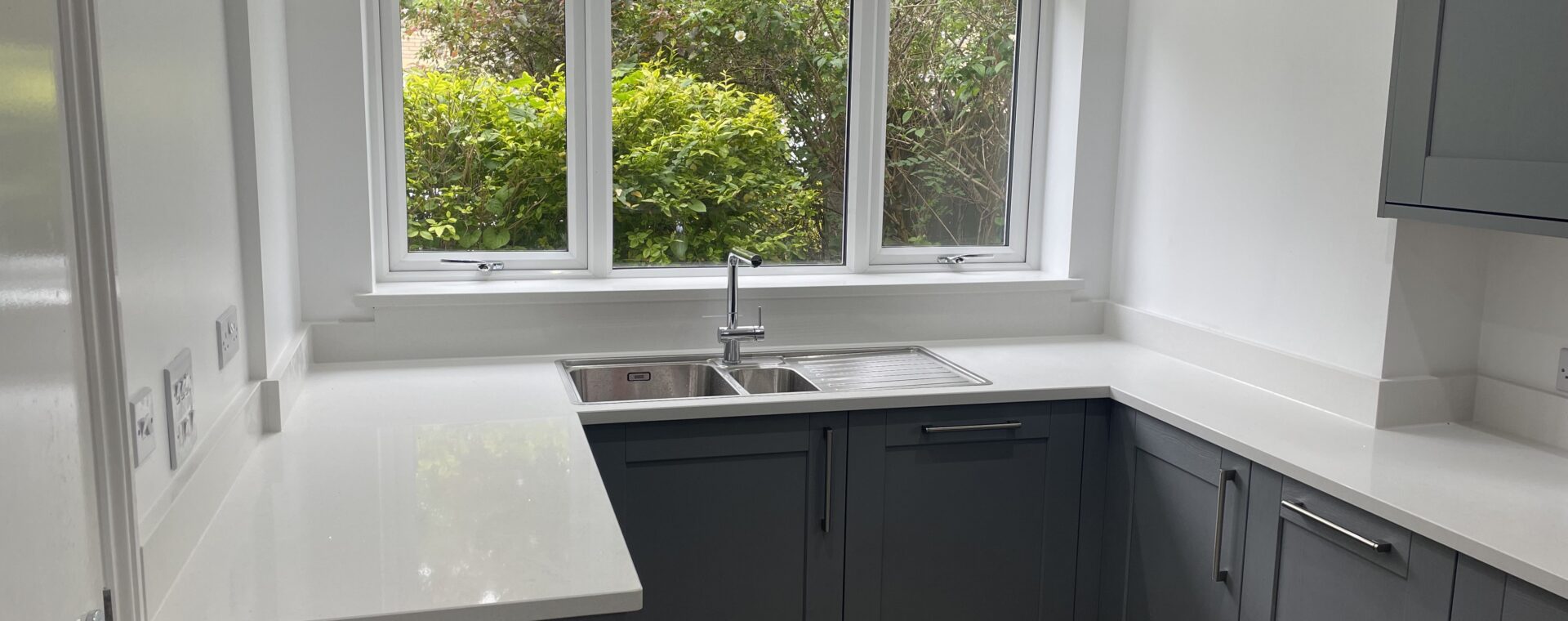
A&F Building Services started out in 1993, is fully insured, and keeps design and construction within our own team. There is no Wicken project in our case studies yet. Closest to hand are our Soham project, where the sink sits in a new bay window, and a vaulted open-plan extension over at Waterbeach.