Just north of Newmarket, Fordham is a village shaped by the River Snail, which splits into several channels as it runs past the houses. Under the parish is Lower Chalk, with a strip of alluvium and river gravels along the water. Around 2,700 people live here, and the old part of the village forms a loop of streets: Church Street, Carter Street, Mill Lane, Market Street and River Lane.
What the old houses are made of
Look behind the fronts on those streets and many Fordham houses turn out to be older than they appear. The Victoria County History describes timber-framed houses that were later cased in brick, alongside grey and red brick buildings of the 19th century and at least one single-storey clunch cottage with Gothick windows. Number 1 Carter Street is a good example: a high quality, close-studded timber frame of the late 16th century, plastered, with its eastern front cased in gault brick around 1830 and a plain tiled roof above.
Houses like that need a builder who expects surprises. Opening up a brick-cased wall can reveal timber that needs repair, and joinery or framing work has to respect what is already there. Our carpentry and refurbishment work covers this kind of careful alteration as well as straightforward modernisation.
A church, an abbey and a conservation area
Fordham has 29 listed buildings. The parish church of St Peter is Grade I, its earliest parts dating from the 12th century. Fordham Abbey, a Georgian house built on the site of a 13th-century Gilbertine priory, is Grade II, as is the war memorial designed by Sir Edwin Lutyens. The Chequers was already open by 1760.
The historic core has been a conservation area since September 1975, and East Cambridgeshire District Council publishes a map showing the boundary. If you live inside it, or in a listed building, a conversation with the council’s planning team should come before any drawings are finalised. We are glad to work from whatever is approved.
The Fordham most people live in
Plenty of Fordham homes date from after the war. A council estate of mostly semi-detached houses went up near the eastern edge of the parish in the 1950s and 1960s, and another grew along Sharmans Road. By 1991 the parish had 894 homes, about a fifth of them council built. Semis of that era tend to suit a single-storey extension at the back, a loft conversion, or a garage converted into a study or playroom.
How we work
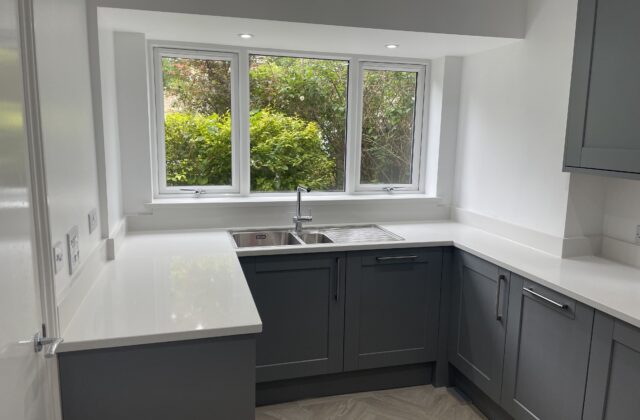
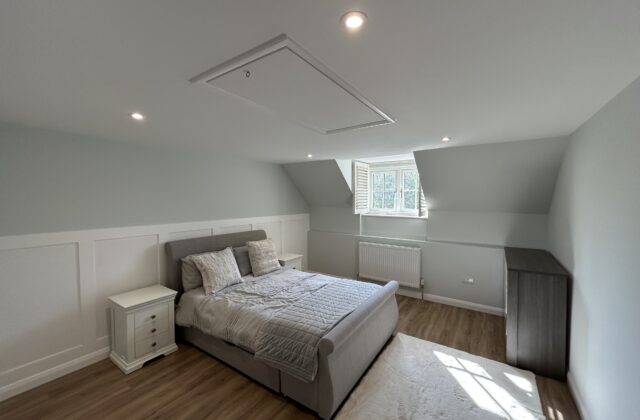
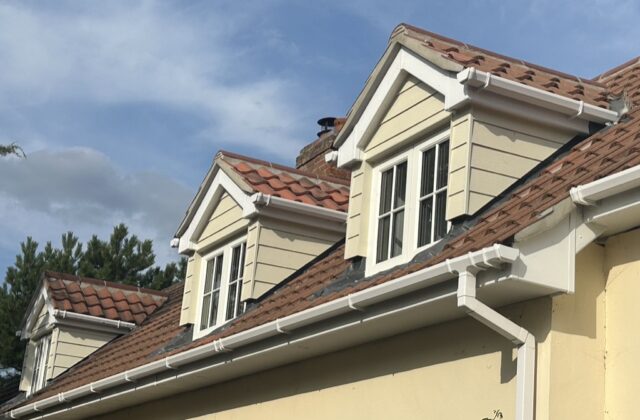
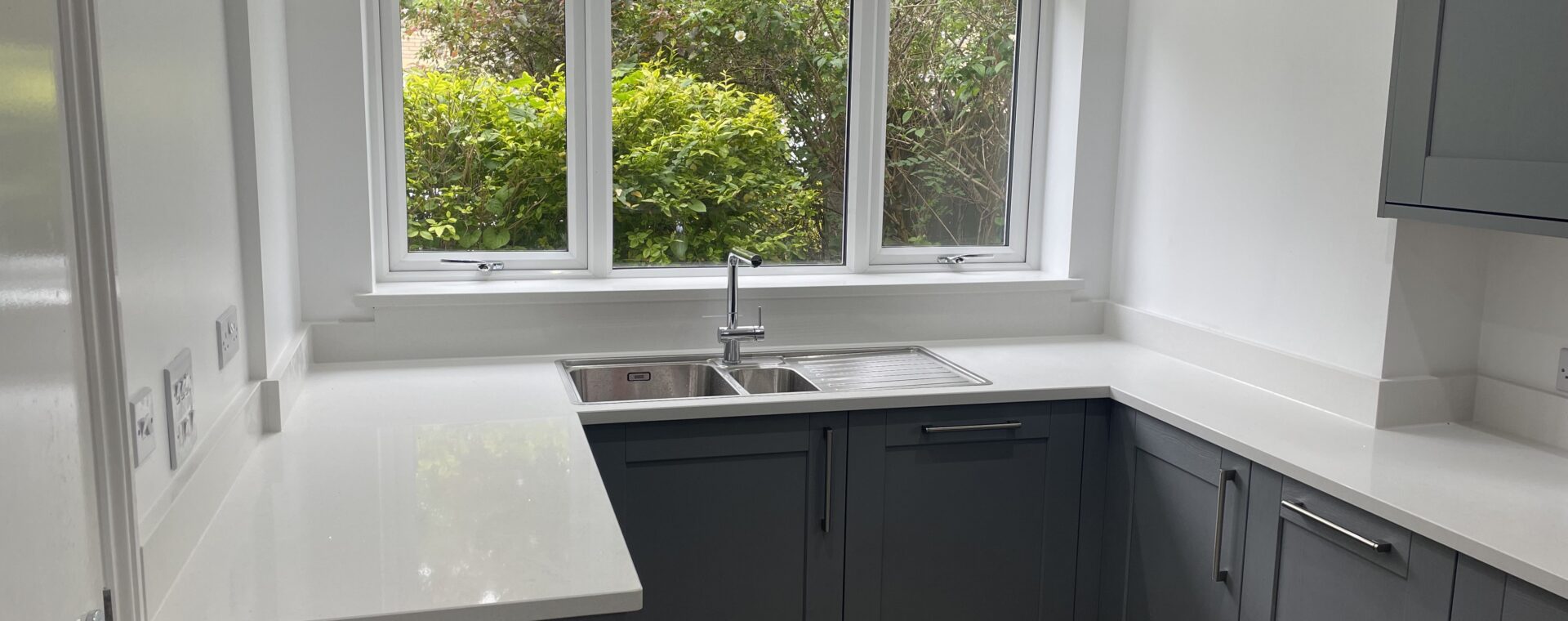
Ours is a family business: A&F Building Services was set up in 1993 and is fully insured. Design and construction stay with our own team, so there is no handover between a designer and a separate builder. We have not yet published a case study in Fordham. The closest are our Soham kitchen and bay window extension a few miles north, and two Newmarket projects to the south: a dormer bedroom refurbishment and a pantiled dormer.