Burwell stretches for well over a mile along a low ridge of hard chalk on the south-eastern edge of the fens. That chalk is clunch, also called Totternhoe stone, and it was dug here for centuries: East Cambridgeshire’s conservation appraisal says Burwell clunch went into Cambridge Castle and several of the colleges. To the west the land falls away to fen at or near sea level, crossed by Burwell Lode on its way to Reach Lode and the Cam.
Clunch, Burwell whites and old roof coverings
Plenty of the older houses and garden walls are built of clunch, usually painted, rendered or limewashed, and some rendered cottages conceal a timber frame with clunch or brick infill. Brick became fashionable in the 18th century, and in the 19th the village made its own. Burwell whites, a buff gault brick, were being produced at around 10 million a year by the 1960s. Until the railway brought slate, roofs were thatch or handmade clay plain tiles and pantiles.
For anyone altering one of these houses, the detail matters. Soft clunch does not take kindly to hard cement patches, and a new gault wall only looks right when the brick suits the weathered colour beside it. That is the kind of job our brickwork and walling service is there for.
High Town, North Street and the Article 4 directions
Burwell grew from two separate centres. High Town, around St Mary’s Church and the earthworks of an unfinished 12th-century castle, is the older. North Street, with Newnham beside it, was laid out in the Middle Ages around wharves and channels cut from the lodes, so goods could be loaded at the back of each plot. The Causeway links the two. Both are conservation areas, first designated in 1974 and extended in 2006, and since 2008 Article 4 directions have removed some permitted development rights from a schedule of named houses within them.
Around 60 buildings in the parish are listed. St Mary’s, a Perpendicular church, is Grade I. Stevens’ Mill, the windmill now part of Burwell Museum, and Isacsons, a clunch building of 14th-century origin, are both Grade II*. If your home is listed or inside either boundary, find out early what East Cambridgeshire District Council will want to see, and we will build to whatever is approved.
The newer side of the village
Most of Burwell is not historic at all. About 175 houses went up in the 1950s and some 600 more between 1960 and 1972, largely in the triangles east of High Town and North Street and on estates running south from Newnham. By 1991 the parish had close to 2,000 homes. Houses of that age often have room for a rear extension, a loft conversion or a garage turned into a proper room.
Using A&F in Burwell
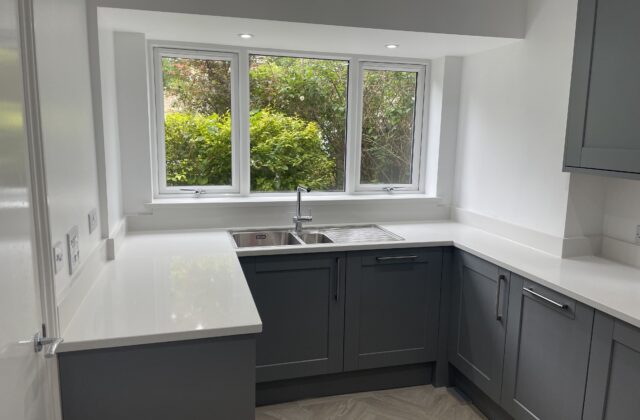
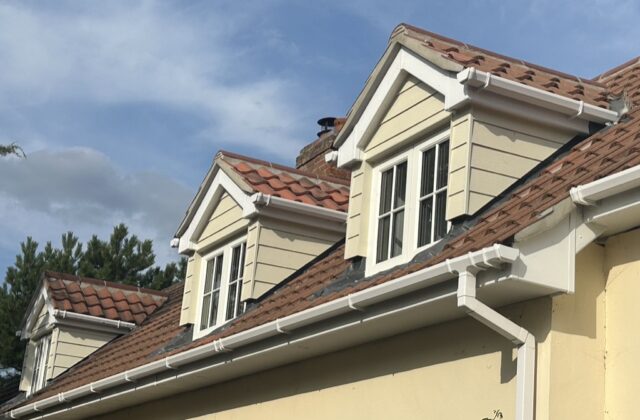
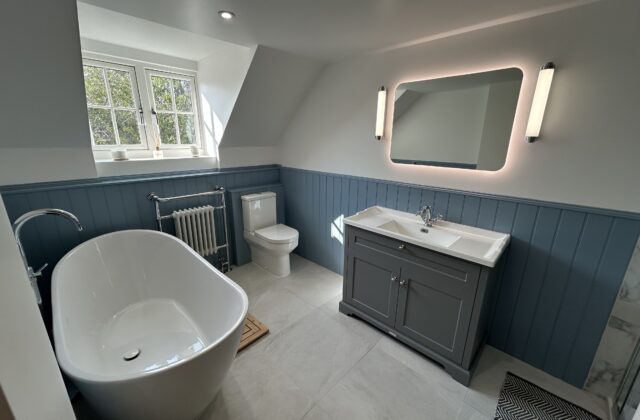
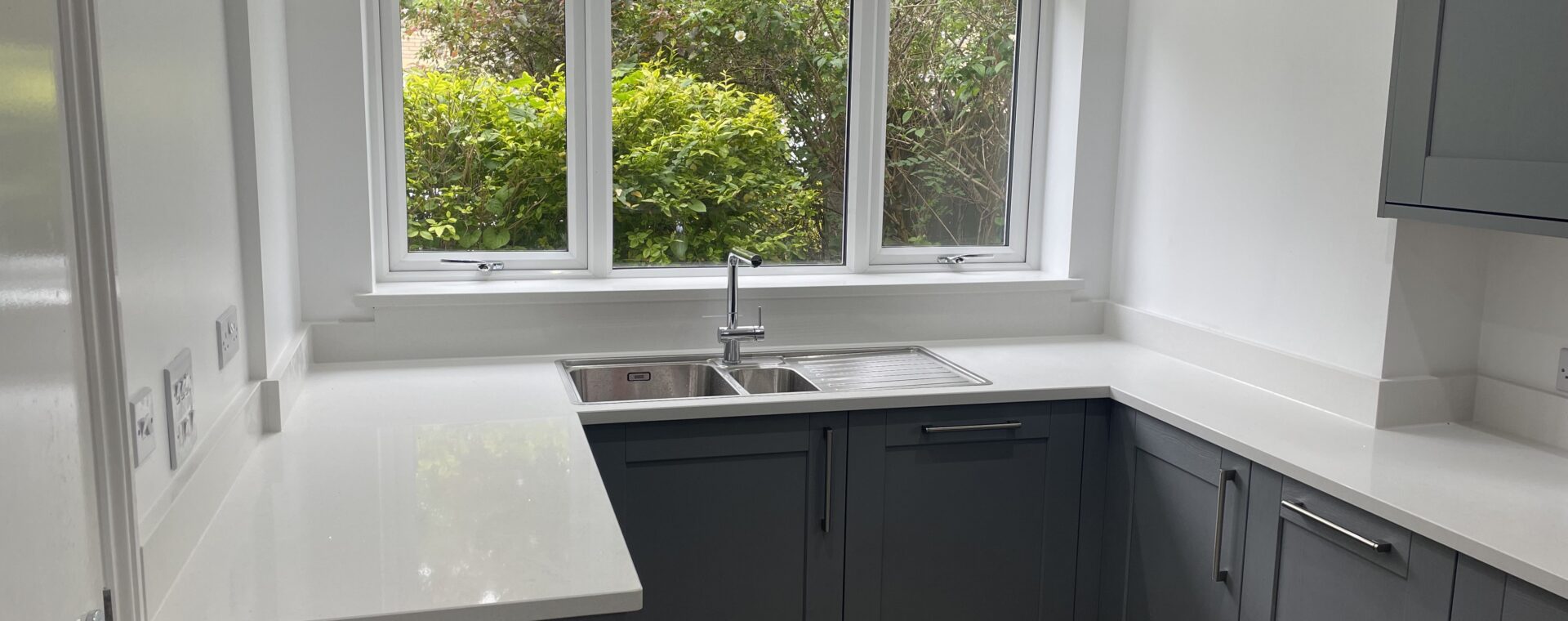
A&F Building Services has been trading since 1993 and is fully insured. Our own team looks after design and building together, so you deal with one firm rather than chasing separate trades. We do not yet have a case study in Burwell; the nearest are a kitchen and bay window extension in Soham and a pantiled dormer in Newmarket, both shown below.