The name is a reminder that this was once two places. Stow grew up to the south, near the old Cambridge to Newmarket road, and Quy lay further north on the edge of the open fields, with its older houses along the road running up to Quy Hall. The two were one church parish by the early 13th century and were being called Stow cum Quy by the 14th. Today around 550 people live in the parish, about four miles north-east of Cambridge.
Thatch, timber and the Hall
Not many houses here are older than 1800, which makes the survivors worth looking after. Park Farm, east of the crossroads, is a timber-framed house of the mid 17th century, and another 17th-century timber-framed house still stands at Stow End. At 19 Main Street, a Grade II listed cottage, probably 18th century, has a plastered timber frame and painted brick under a straw thatched roof, with a brick outshut at the back that may once have been a bread oven.
Quy Hall, listed Grade II*, dates back to the late 15th century but was almost entirely remodelled in 1868 to 1870 by the architect W. White, whose name turns up again at St Mary’s Church. The church, also Grade II*, keeps a 12th-century nave window and a late 14th-century west tower. When White restored it around 1885, he rebuilt the wooden belfry in flint and stone.
Homes like 19 Main Street reward patient repair over wholesale replacement, which is where careful carpentry earns its keep, and regular property maintenance keeps small faults from turning into large ones.
Twentieth-century Quy
In the 1930s a line of about 13 homes, mostly bungalows, was built along the Stow road and the old turnpike. During the Second World War around 40 huts in the park housed personnel from Waterbeach airfield; they had gone by the early 1960s. Then, around 1974 to 1976, two council estates were built either side of the crossroads, bringing the village to about 50 council houses by 1977.
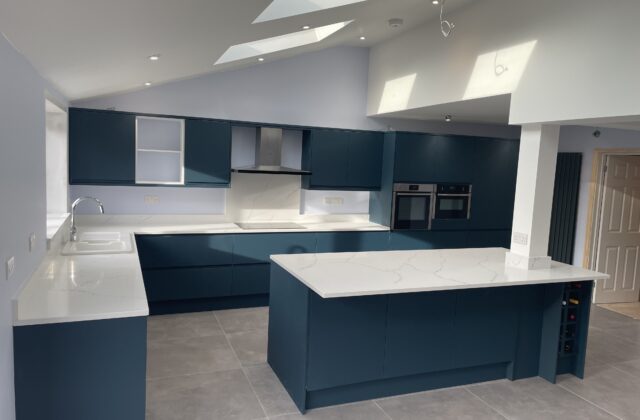
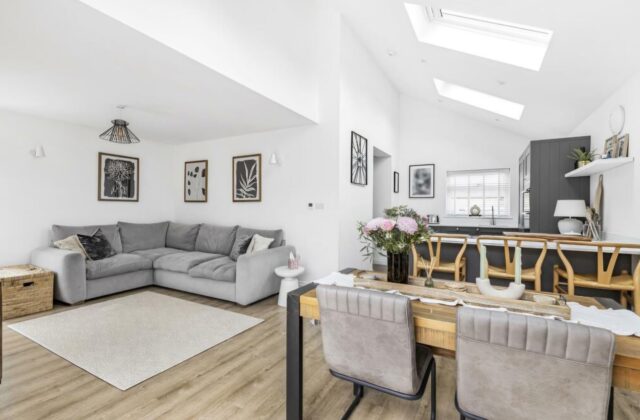
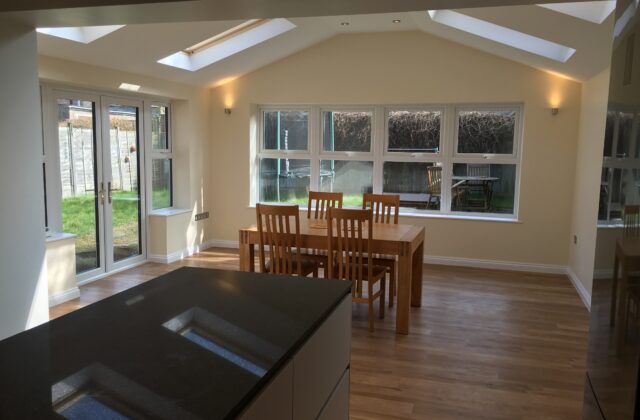
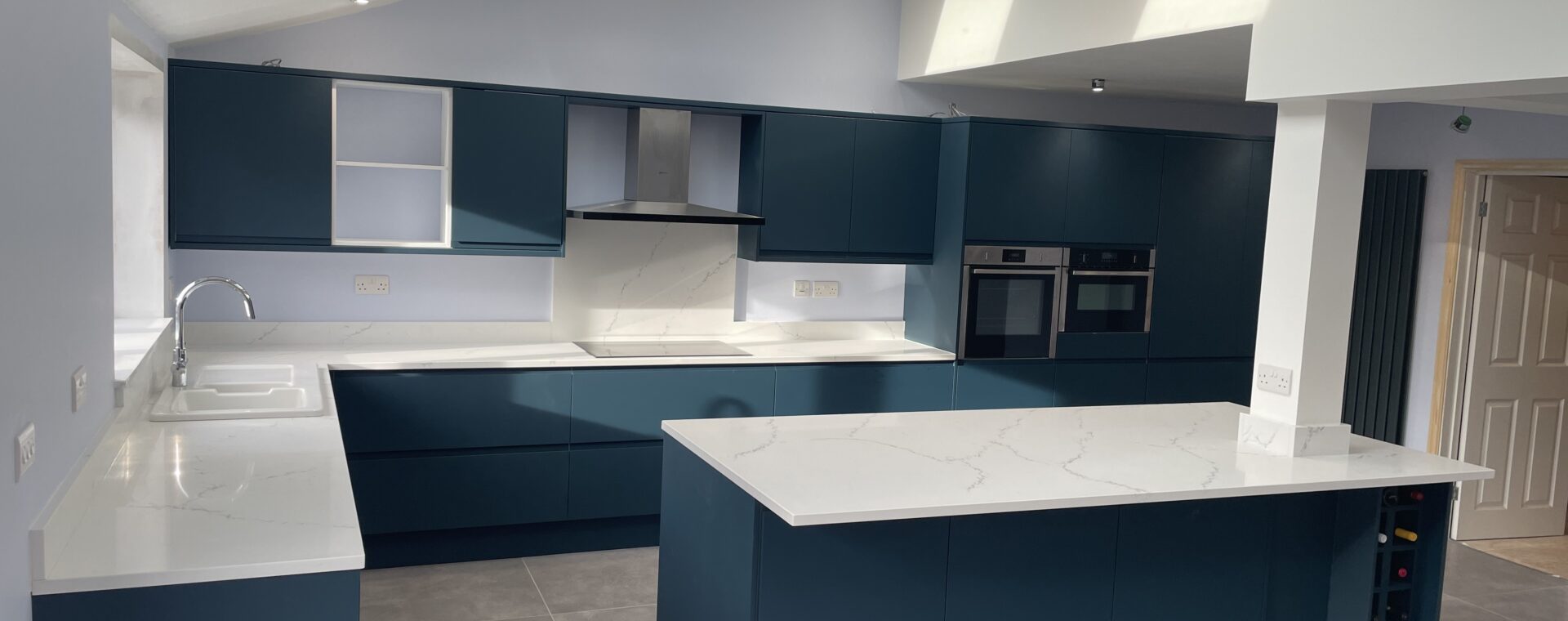
A 1930s bungalow is often a natural candidate for a loft conversion or a room in the roof, depending on its pitch, while 1970s houses usually have room at the back for a single-storey extension.
The ground and the council
Most of the parish lies on Lower Chalk, with a low ridge of gravel carrying the Cambridge to Newmarket road. North of the village the land drops to fen pasture, and Quy Fen is a Site of Special Scientific Interest. Soil changes between these zones are worth an engineer’s look before you fix a foundation design.
Planning here is handled by South Cambridgeshire District Council, not East Cambridgeshire, even though Lode and Bottisham next door come under the latter. Listed buildings such as those on Main Street need consent for alterations inside and out. A&F Building Services, building since 1993 and fully insured, handles the work in-house from first design to completion.