Few villages have a postcard view as good as Moulton’s packhorse bridge. Its four arches of flint rubble and brick were built in the 15th century and repaired in the 18th, with low parapets that splay out at each end. It is a Scheduled Monument and Grade II* listed, and traders once used it to cross what was then a wide, marshy River Kennett.
A village built around its meadows
Moulton sits about 6 km east of Newmarket in the shallow valley of the Kennett, in gently rolling chalk country. Its plan is unusual: the houses stand along the outside of roads that enclose a large rectangle of meadows, playing fields and green, with the river running down the eastern side. There are fords, a Georgian stone bridge in Brookside, and a late medieval flint footbridge known locally as “the pretty bridge”. Up on the hillside, St Peter’s Church is Grade I listed, and its early 14th century tower carries a gilded weathervane in the shape of a pike.
In 2006 the parish had around 1,030 people in 453 homes. Much of the housing is mid to late 20th century estate building to the north west and south of the centre, partly hidden by folds in the valley.
Thatch, flint and black pantiles
The historic core is a catalogue of East Anglian building. Bridge Farm, Grade II, is a 16th century L-shaped house under a thick, half-hipped straw thatch. No 7 Bridge Street is a 17th century timber-framed, rendered and thatched cottage. Around them are groups of 19th century cottages built of flint rubble with brick dressings and red or black pantile roofs, and long flint and brick boundary walls that tie the whole place together.
New work here has to sit politely next to all that. A small rear extension on a flint cottage might mean sourcing flint and matching brick for the quoins and openings, then laying them in a mortar that suits the old wall. That is the sort of job our brickwork and flint walls team does, and our refurbishments page covers bringing an older cottage up to date inside.
Inside the conservation area
The Moulton Conservation Area was first designated on 13 October 1988, with changes made on 30 January 1991, and covers about 25 hectares: the land between The Street and Brookside, Bridge Street and the packhorse bridge up to Church Road, the church, and houses such as The Priory and Moulton Hall. The former Forest Heath council adopted an appraisal in 2008, and planning now sits with West Suffolk Council. Being inside the boundary, or owning a listed building, narrows what you can do without an application, so get the council’s view on anything that changes the outside of your house.
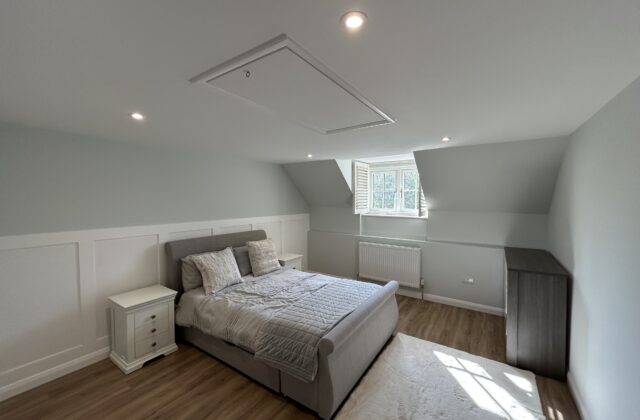
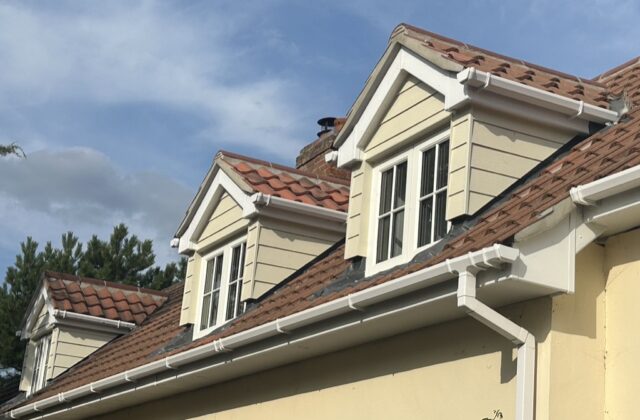
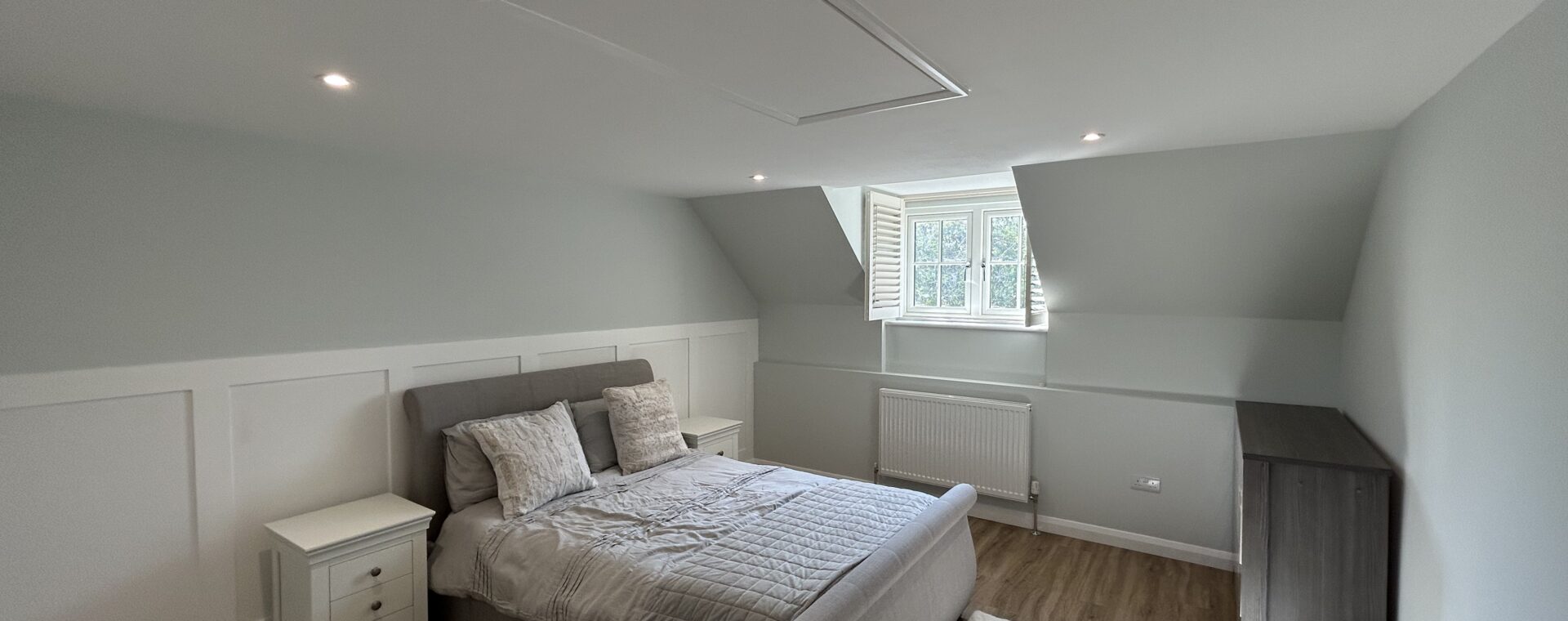
A&F Building Services is a family-run firm established in 1993, and our closest finished projects are in Newmarket. One was a dormer bedroom fitted out with custom panelling and internal shutters, the kind of carpentry that also suits a cottage interior.